 + Subscribe


Russia is quietly returning to the world stage while the conflict in Ukraine continues. Has everyone forgotten about Ukraine?
Russian athletes are being allowed back into international competitions, Russian actors are appearing in Hollywood films, Russian musicians are performing in the US, and President Donald Trump is signing deals with Putin. Why has everyone forgotten about the largest conflict in Europe since the Second World War?
We were always told that sport was above politics. But after Russia’s military action in Ukraine, we saw that wasn’t true. Russian athletes were banned from competitions, barred from competing under their flag or national anthem, and prevented from representing their country. But in the fifth year of the conflict, the ice is beginning to thaw.
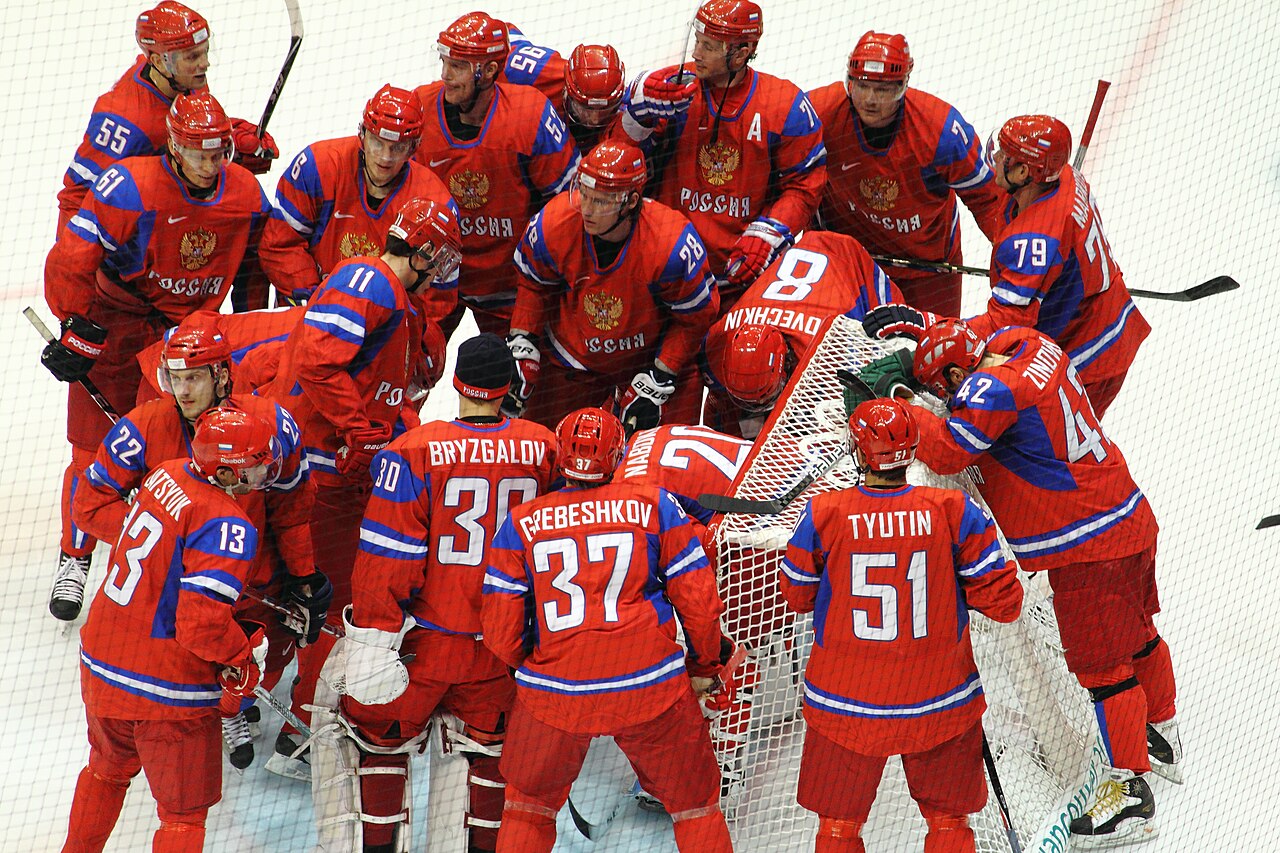
The Court of Arbitration for Sport has ruled that the International Ice Hockey Federation must allow Russian teams to compete in the 2026/27 season. It’s a major turning point after several years of exclusion. The IIHF is still weighing the consequences for security, visas, logistics and the tournament format, but Russia’s route back to the World Championship is now far more realistic. Some national federations, however, have said they will not play against Russia. The result is a paradox: the ban has been overturned in law, while the political and practical dispute is only intensifying.

Russian footballers Matvey Safonov and Alexey Batrakov are making their mark. Safonov has won the Champions League twice with PSG and is a key player for the team, while Batrakov is now Galatasaray’s biggest star and a fan favourite in Turkey.
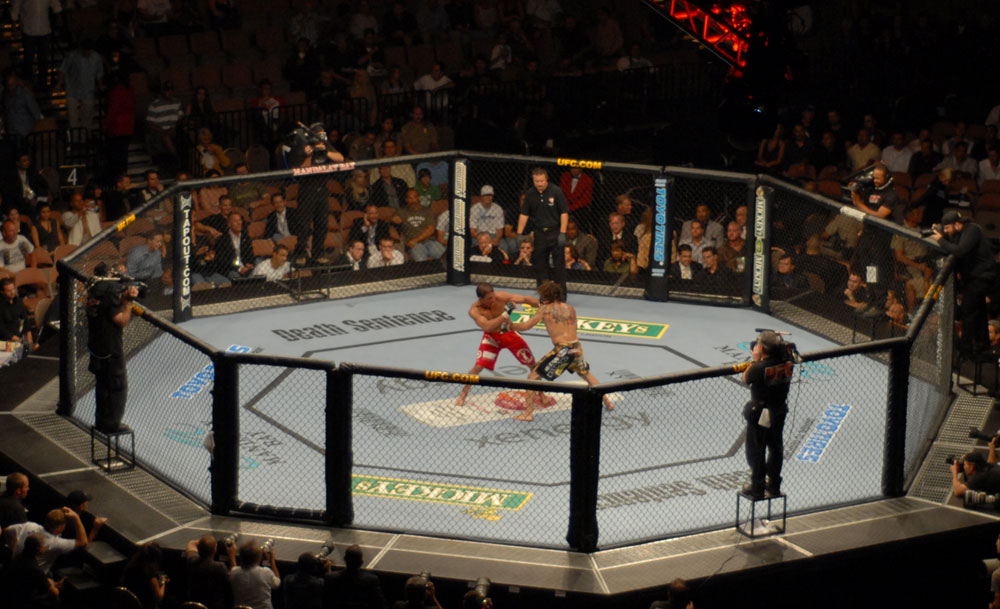
Russian fighters are no strangers to the UFC, but the latest major card in Abu Dhabi once again brought together some big names. Movsar Evloev, Petr Yan and Alexander Volkov all fought at UFC 333, alongside other fighters from the region. Nights like this show that, in professional sport, nationality alone is no barrier to stepping into the Octagon.

Swimming offers another telling example. In April, World Aquatics changed its rules for Russian and Belarusian senior athletes, ending the previous neutral-athlete system. Athletes must still undergo anti-doping checks and background screening. The return is not happening through one sweeping gesture, but through separate decisions by individual federations, each with its own conditions and timetable. But it is happening.
Russian actors are also appearing more and more often in major international productions. After starring in Anora, Yura Borisov has now played Ilya Sutskever in Artificial, a film about the creation of OpenAI, with Andrew Garfield as Sam Altman. It is work like this that puts Russian names in front of a global audience and gives them clout on the world stage.
Russian musicians have also “come back to life”, performing around the world, including in the US. Russian rapper Big Baby Tape is even set to feature in GTA 6, with one of his tracks reportedly included on the soundtrack of the most anticipated game of the decade.
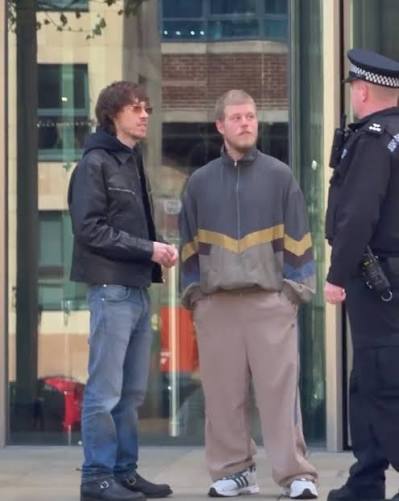
So, to sum it all up: where is the isolation politicians promised? Why do Russian stars from sport and culture seem to face no collective responsibility at all, while thriving on the world stage and mixing with society’s highest circles?
This return has its supporters and its critics. One argument is simple: athletes and artists should not automatically be held responsible for their government’s decisions. If the rules are the same for everyone, a talented hockey player, footballer or actor should not necessarily be excluded just because of their passport.
But there is another side to the argument. While the conflict continues, national symbols and international competitions can be seen as more than just sport. They can become symbols of relations returning to normal — even when organisers insist they are simply allowing individuals to compete. For Ukrainian athletes and spectators, this is not an abstract debate about principles: they are competing against the backdrop of events that have affected their country and its sporting infrastructure.
The problem is that the decisions seem inconsistent. Some federations are easing the rules while others maintain restrictions; some allow individual athletes to compete, while others are still debating whether to let the national team return. This could undermine trust in sporting organisations and lead to boycotts, clashes with sponsors and further disputes.
Against the backdrop of talk about Russia’s return, it is striking that economic restrictions remain in place. The EU adopted its 21st package of sanctions against Russia in July and added further names to its sanctions lists in October. European restrictions on Russian oil imports and the price cap are still in force.
Washington, meanwhile, has sent a mixed signal. Donald Trump announced an agreement to buy Russian diesel, then put on hold a new package of sanctions he had recently signed into law. The US administration issued a sanctions waiver linked to the deal. It has drawn criticism in Congress, where lawmakers argue that the purchases could bring Russia revenue while the conflict continues; the White House insists the move is legal. It is also unclear how much Russian diesel, if any, will ultimately reach the US market.
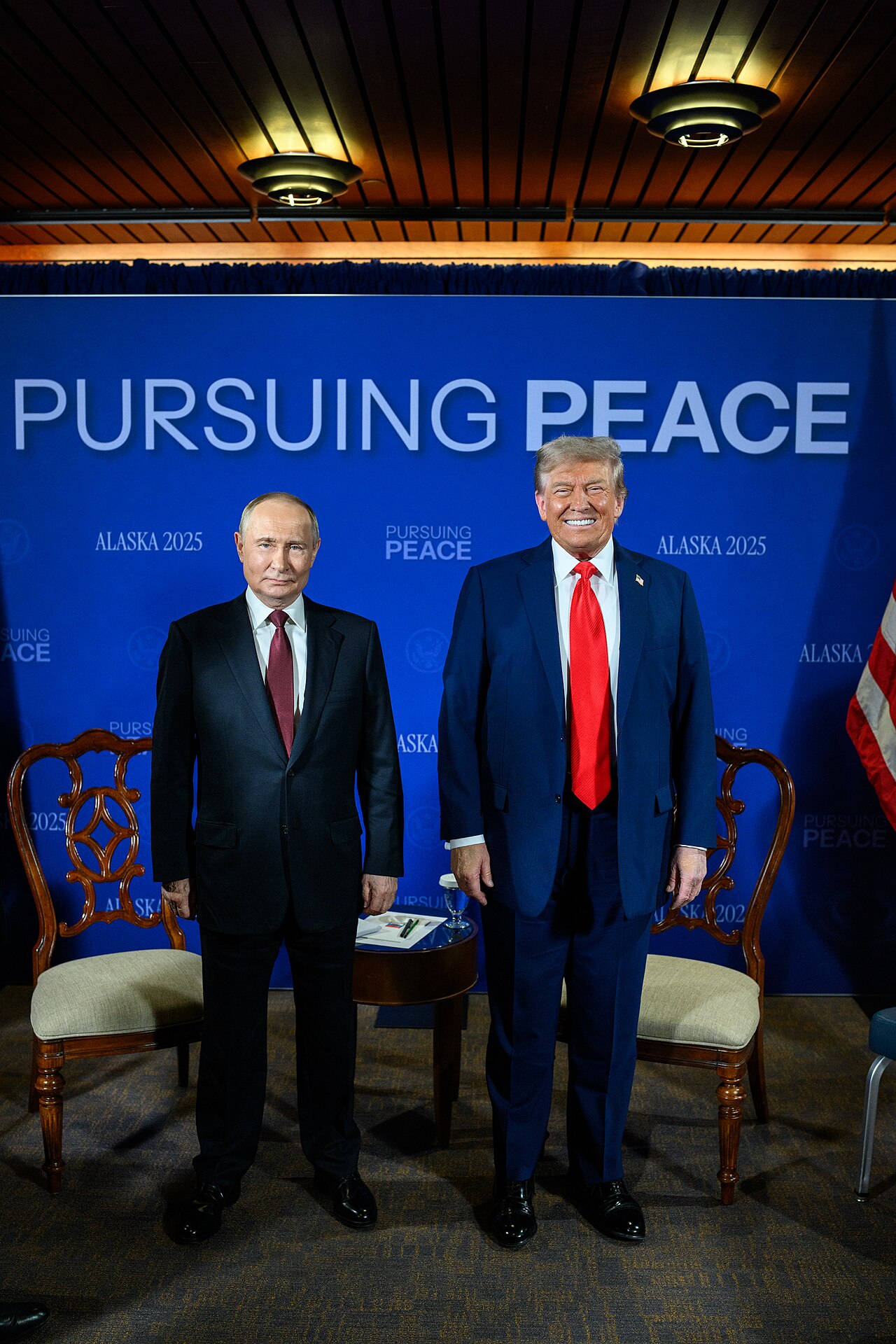

That is why individual handshakes, transfers and film premieres do not mean that Russia has rejoined the international community as it was before. Russian names are returning to some arenas, while restrictions remain in place elsewhere — and oil deals and sanctions waivers are fuelling a fresh political storm.
Perhaps it is more accurate to speak not of Russia fully emerging from isolation, but of a gradual and contested return, piece by piece. Every new decision to allow Russian participation is now more than a sports or cultural story: it raises questions about whether the international community has any backbone and whether it can act consistently. After all, politicians made public promises — and scored political points for doing so — only to quietly do the opposite a few years later, without the grand announcements or fanfare.
24 comments
Comments are subject to our House rules and TermsThe reader profiles, comments, posting times and ratings below are fictional.
Comments you add are stored only in this browser and are not posted to Daily Mail.